Place-Based Education (PBE)

Place-Based Education

Learning Begins Where We Are

At Hawbridge, students do not simply learn about the world around them. They learn through meaningful connections to the people, places, questions, and experiences within their community.

Place-Based Education connects strong classroom instruction with local culture, environmental systems, community partnerships, public policy, and authentic questions that help students understand why their learning matters.

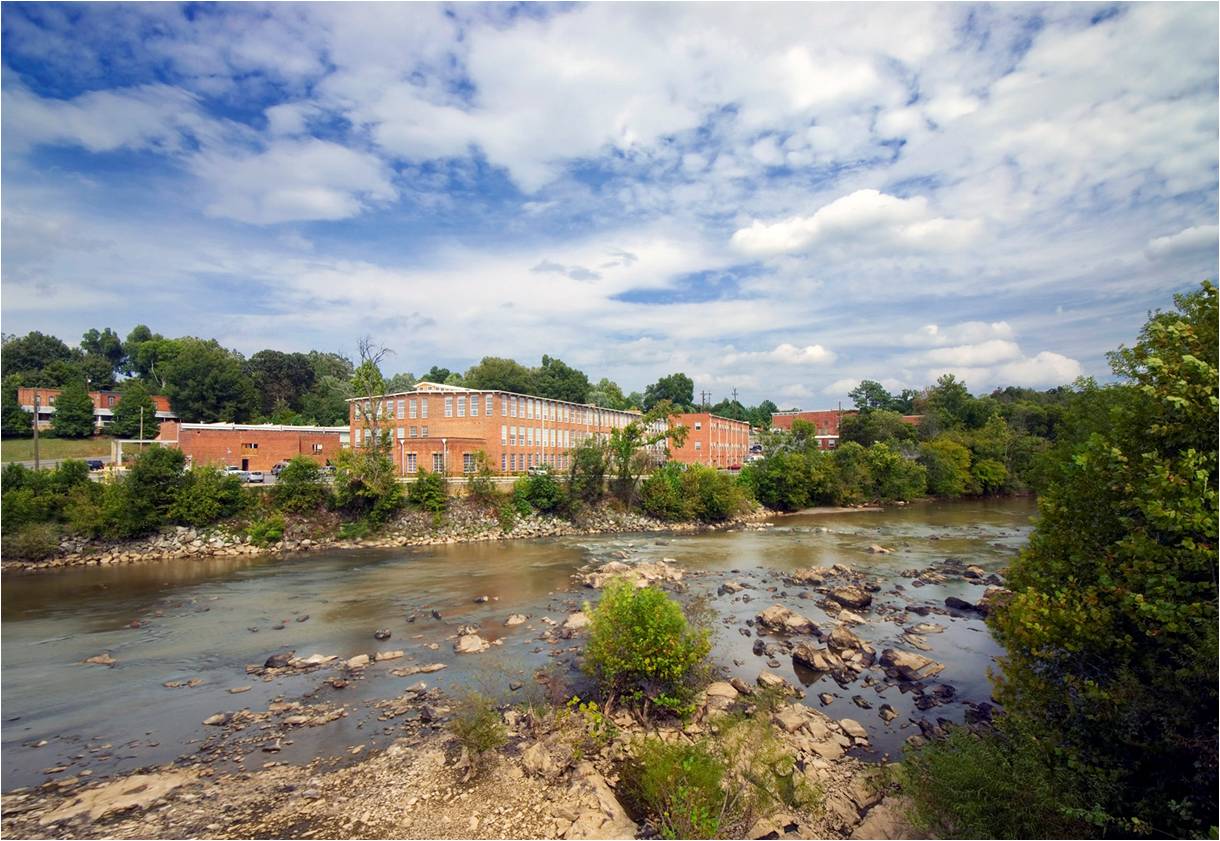
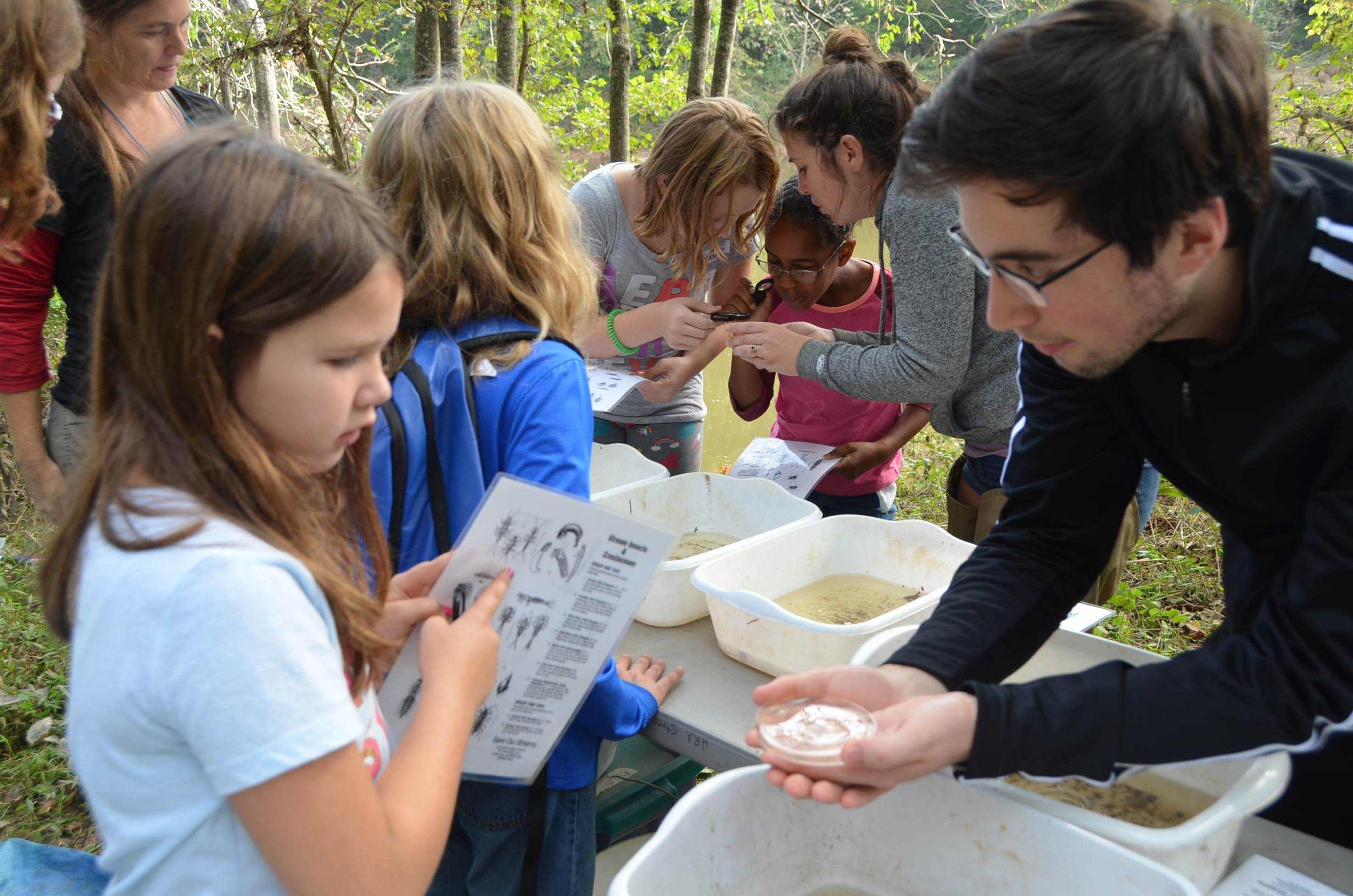
Whether investigating the Haw River, studying local history, collaborating with community organizations, or exploring real-world challenges, students develop academic knowledge alongside curiosity, responsibility, and a stronger sense of place.

What Is Place-Based Education?

The local community becomes part of the learning experience.

Place-Based Education is an approach to curriculum and instruction that connects learning to local culture, environmental systems, community issues, and meaningful experiences. It is also known as place- and community-based education or place-conscious learning.

In addition to preparing students academically, Place-Based Education helps students understand their relationship to the communities around them. Students learn that they are capable of making meaningful contributions and that their ideas, knowledge, and actions can help improve the lives of others.

At the heart of Place-Based Education is the belief that children of every age can contribute to their communities—and that doing so strengthens both their desire to learn and their belief in their own ability to create change.

Adapted from Smith, G. A. (2017), “Place-Based Education,” Oxford Research Encyclopedia of Education.
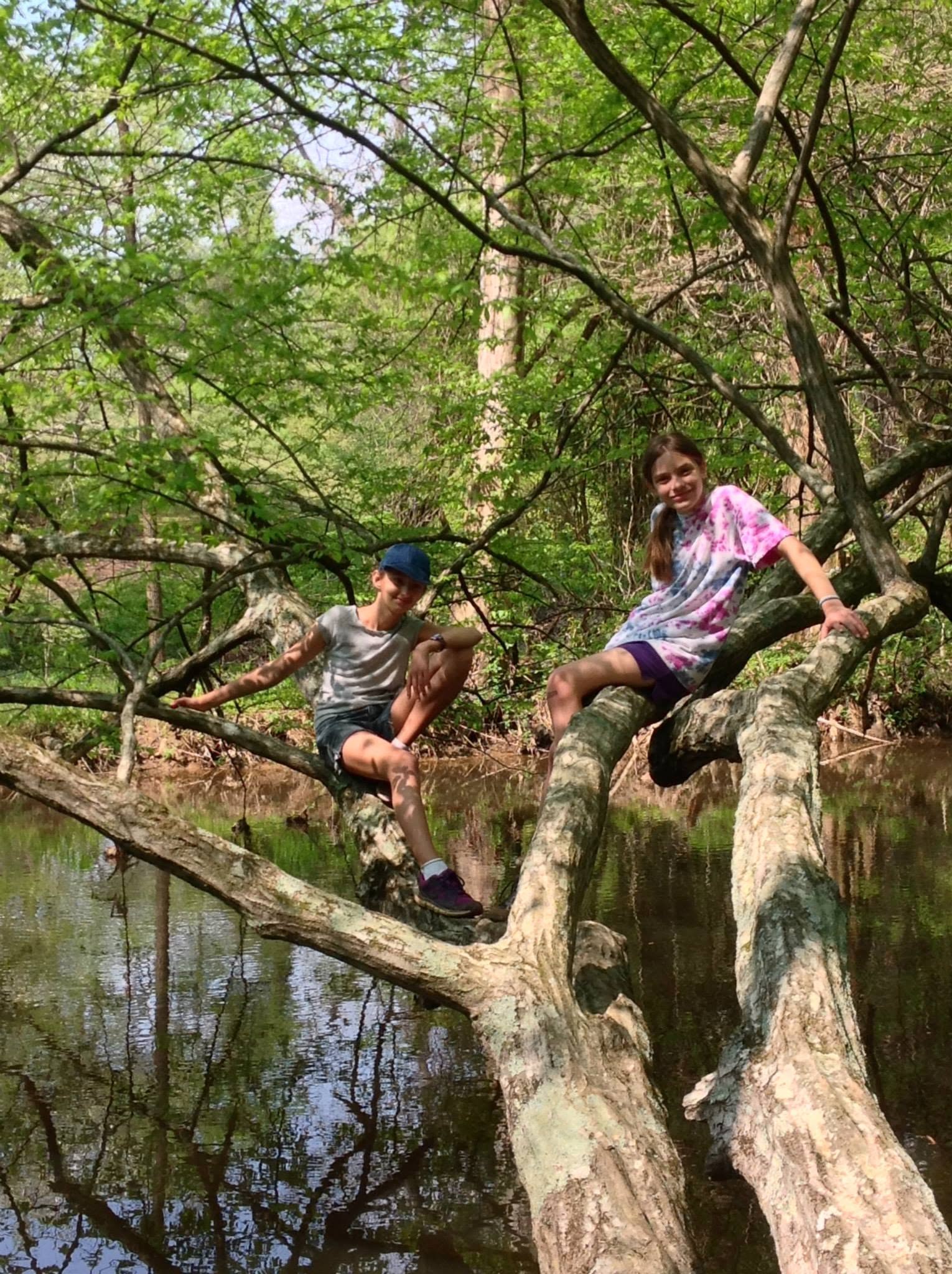
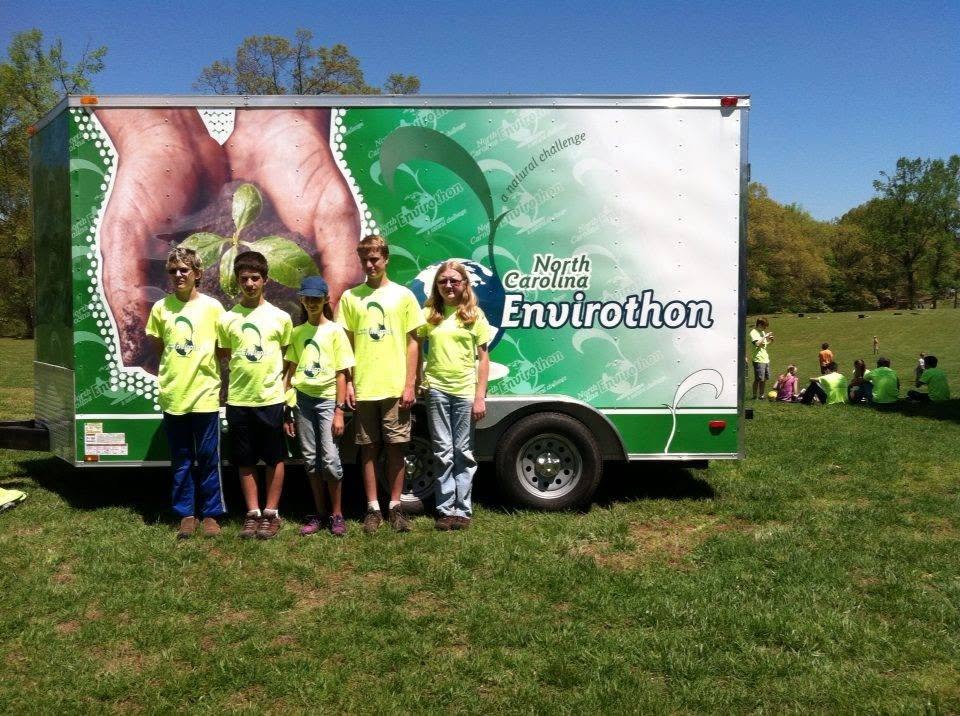
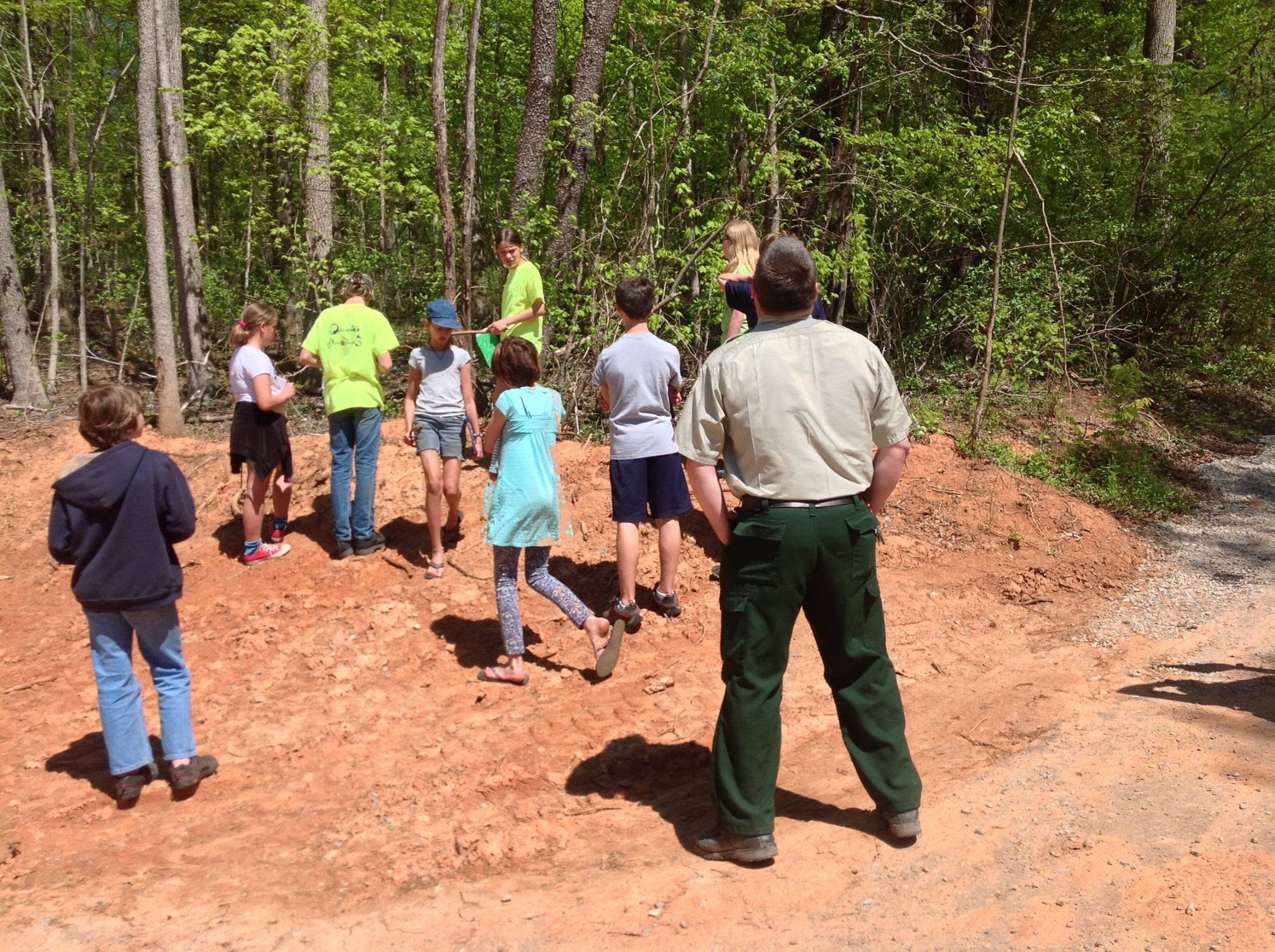
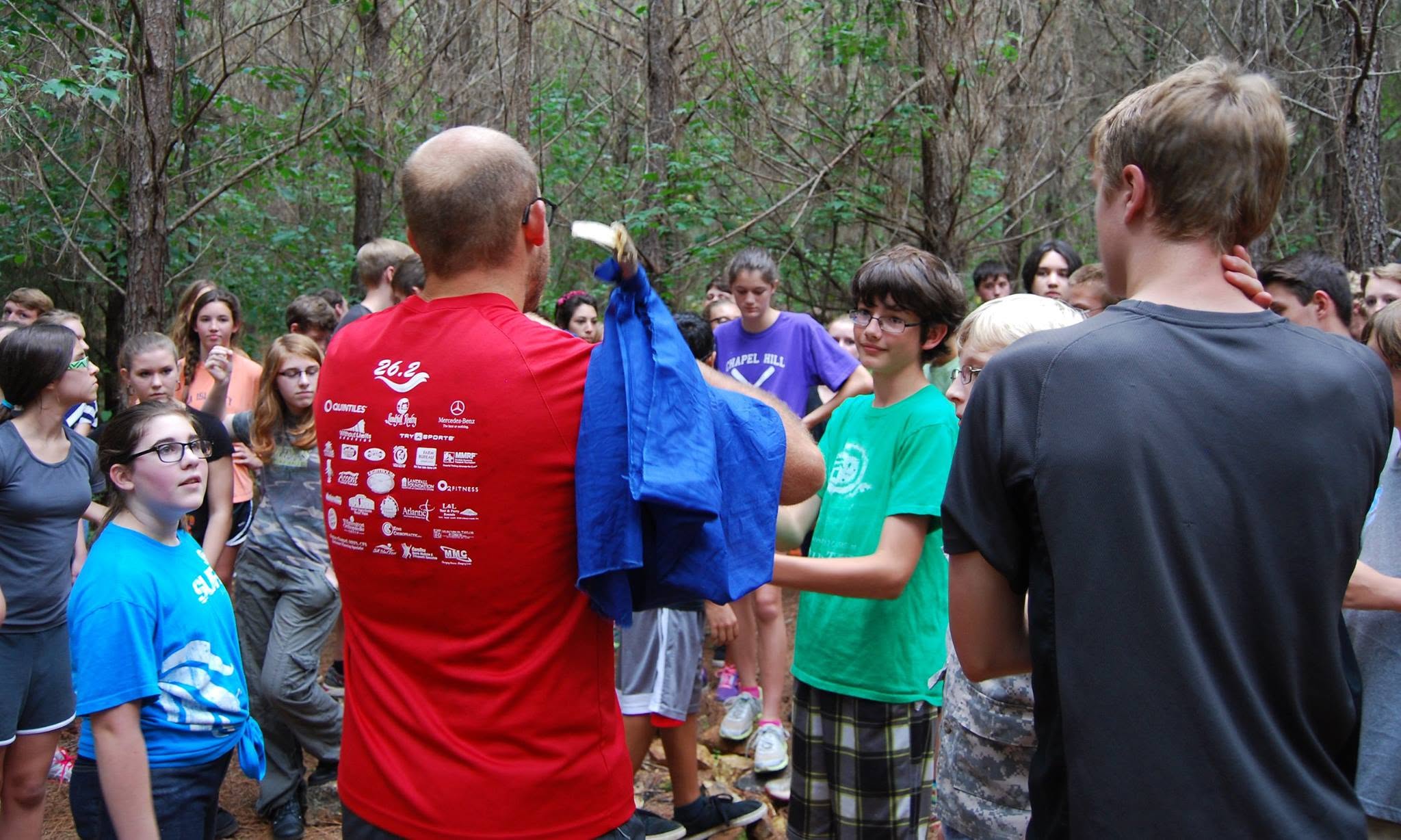
Hawbridge students participating in a Place-Based Education experience.

More Than Learning Outdoors

Outdoor experiences can be part of Place-Based Education, but the approach reaches much further.

Place-Based Education helps students examine the cultural, environmental, economic, and civic life of the communities around them. These connections allow learning to move naturally between classroom study, community investigation, collaboration, and reflection.

Five Traditional Strands

  • Cultural investigations
  • Environmental education
  • Problem-solving related to local issues
  • Economic studies
  • Public-policy involvement

Place-Based Learning at Hawbridge

Place-Based Education is woven throughout subjects and grade levels.

Teachers at The Hawbridge School incorporate community-connected learning into classes across kindergarten through grade 12. Students may investigate authentic questions, work alongside local partners, examine environmental systems, explore community history, or connect academic subjects through interdisciplinary projects.

Several Hawbridge courses place a particularly strong emphasis on learning through place, community, and experience.

Place-Focused Courses and Experiences

  • AP Environmental Science — Upper School
  • Horticulture — Middle and Upper School
  • AP Human Geography — Upper School
  • Community Internships — Upper School
  • Outdoor Skills — Middle School
  • Outdoor Leadership — Upper School

Why Place Matters

Students understand learning more deeply when they can see its connection to real life.

Place-Based Education helps students develop critical-thinking skills, confidence, civic responsibility, environmental awareness, and a stronger understanding of how their learning can contribute to the world around them.

Every community has stories to tell, questions to explore, and challenges worth understanding. At Hawbridge, those stories and experiences become part of the classroom.