Learning in Action

Learning in Action

How Learning Comes to Life

At Hawbridge, strong academics provide the foundation for students to question, investigate, apply what they know, and continue growing.

Throughout the school day, students move between focused instruction, collaborative learning, meaningful discussion, independent thinking, and experiences that connect knowledge to the world around them.

Each part of that process builds on the others, helping students develop understanding, confidence, curiosity, and an increasingly active role in their own education.

Every Day Begins with Learning

Strong academics are the foundation of every Hawbridge education.

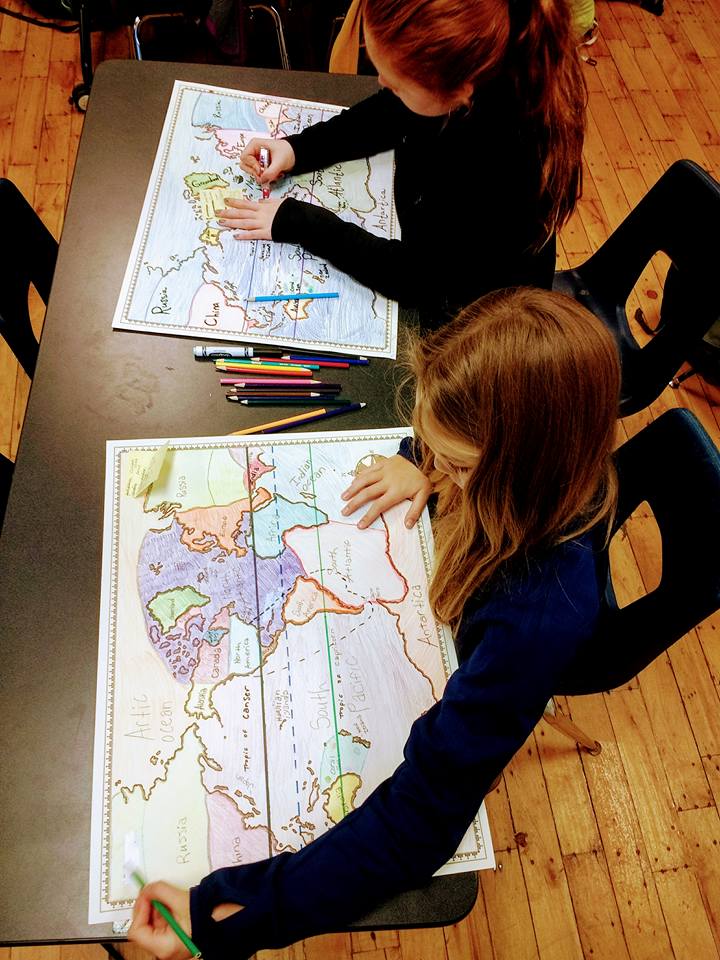
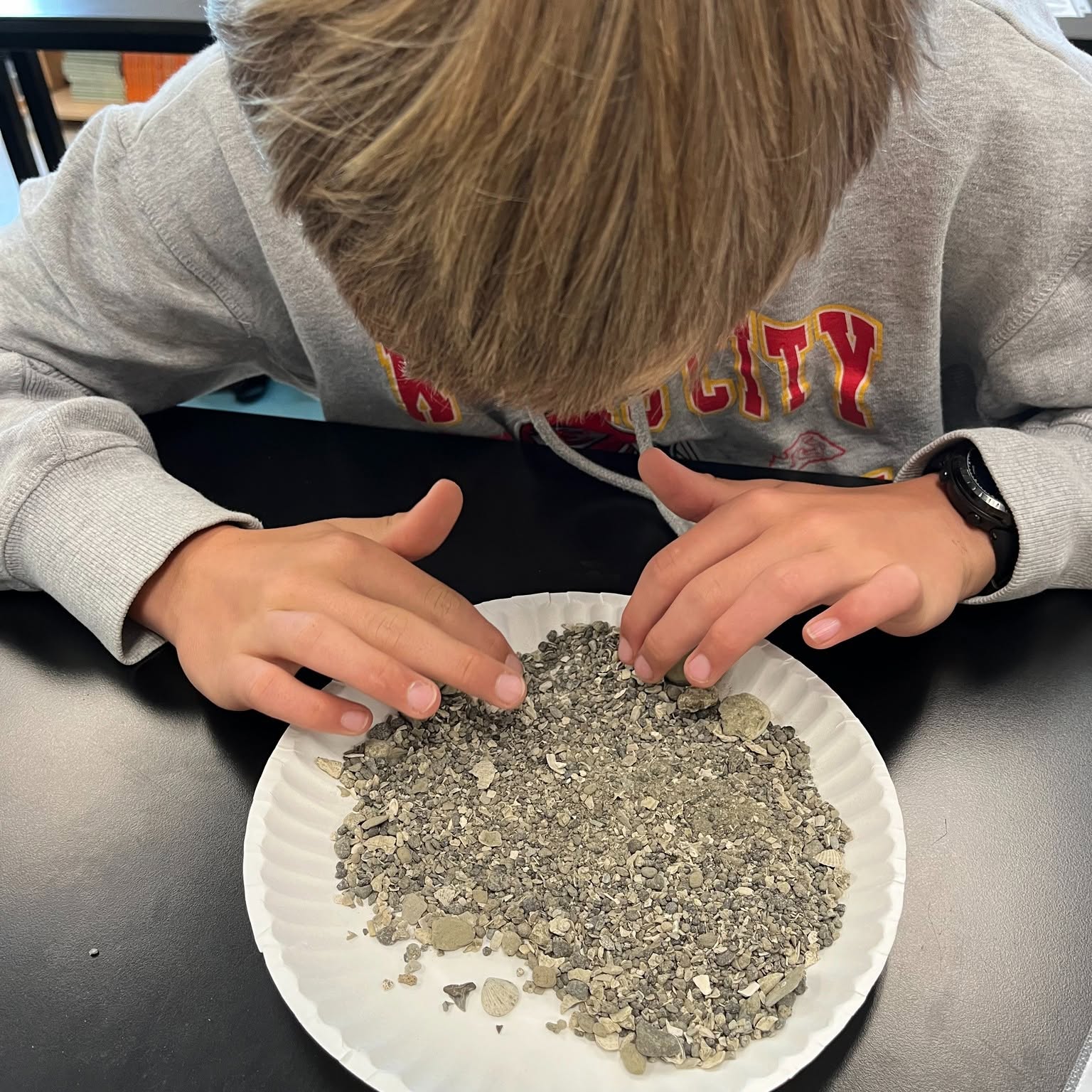
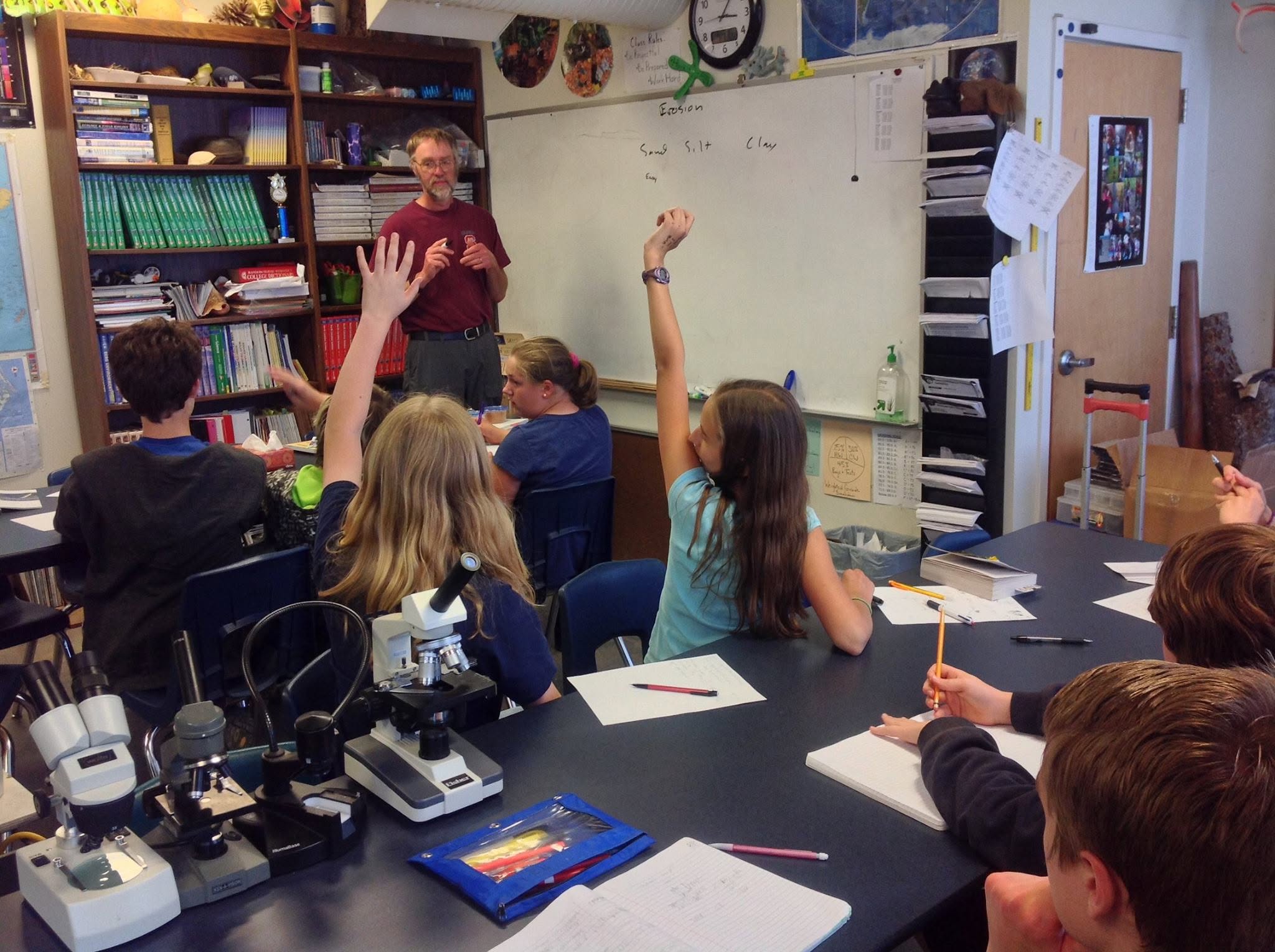
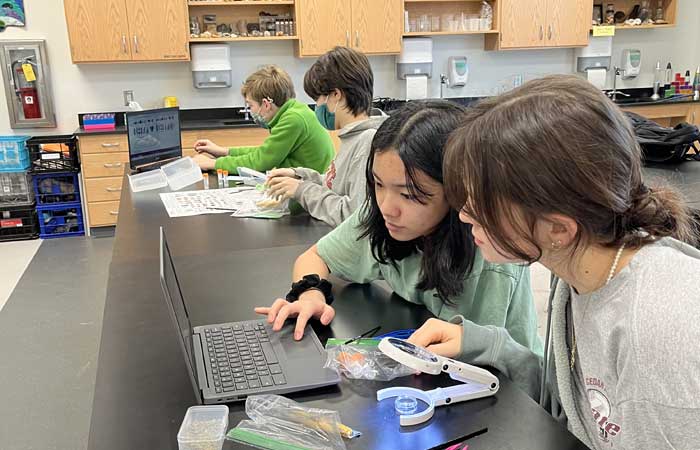
Students spend time reading, writing, solving problems, conducting research, discussing ideas, and developing knowledge and skills across subjects. Teachers create classrooms where students are encouraged to ask questions, think critically, collaborate with classmates, and become active participants in their own learning.

That classroom foundation gives students the knowledge and tools they need to investigate ideas more deeply, make meaningful connections, and apply what they learn in new situations.

What Students Experience

  • Focused classroom instruction
  • Collaborative discussion and problem-solving
  • Individual and small-group learning
  • Opportunities to question, investigate, and think critically
  • Strong academic preparation across subjects
Learning Comes to Life

Understanding grows when students have opportunities to use what they know.

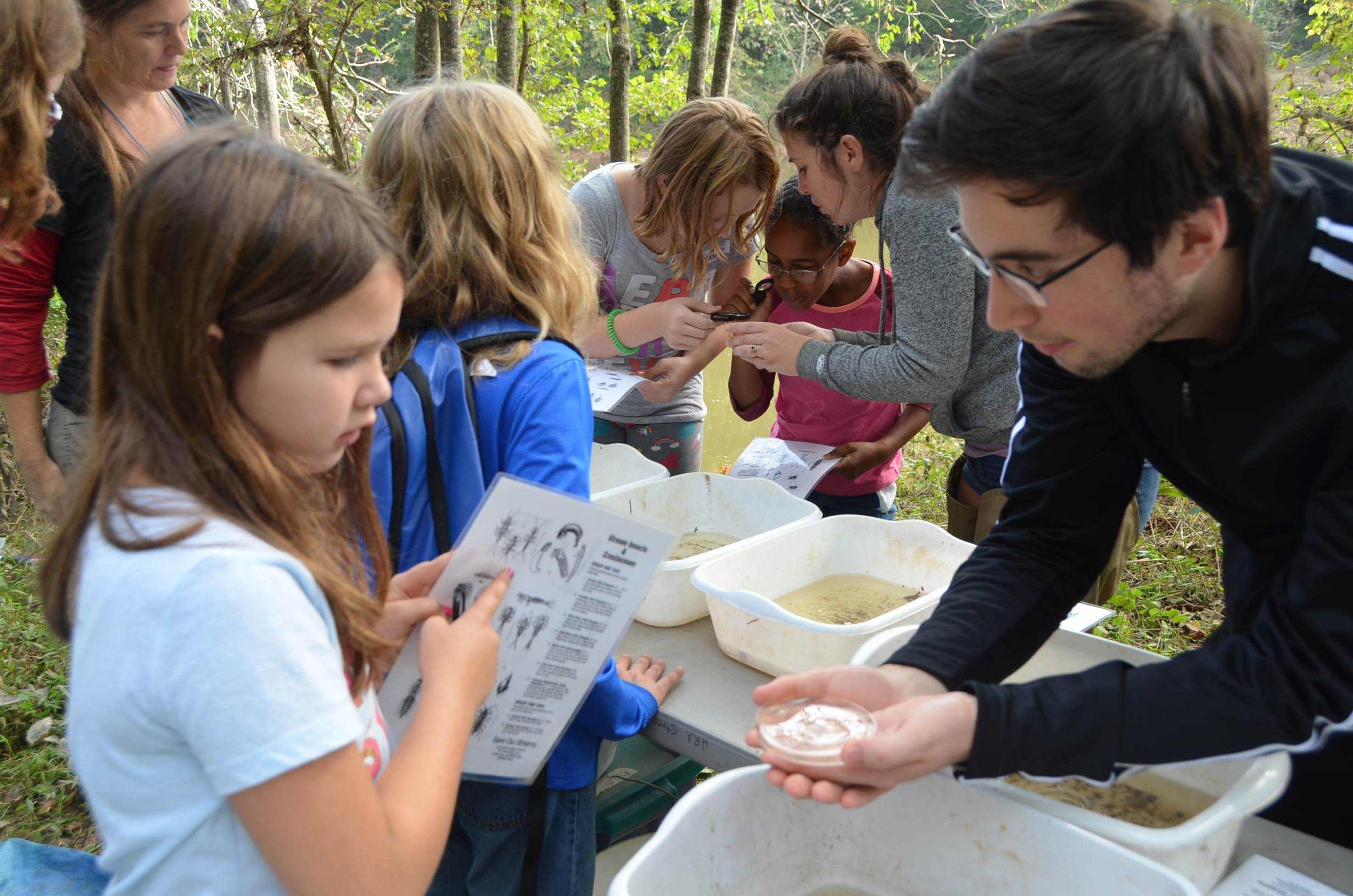
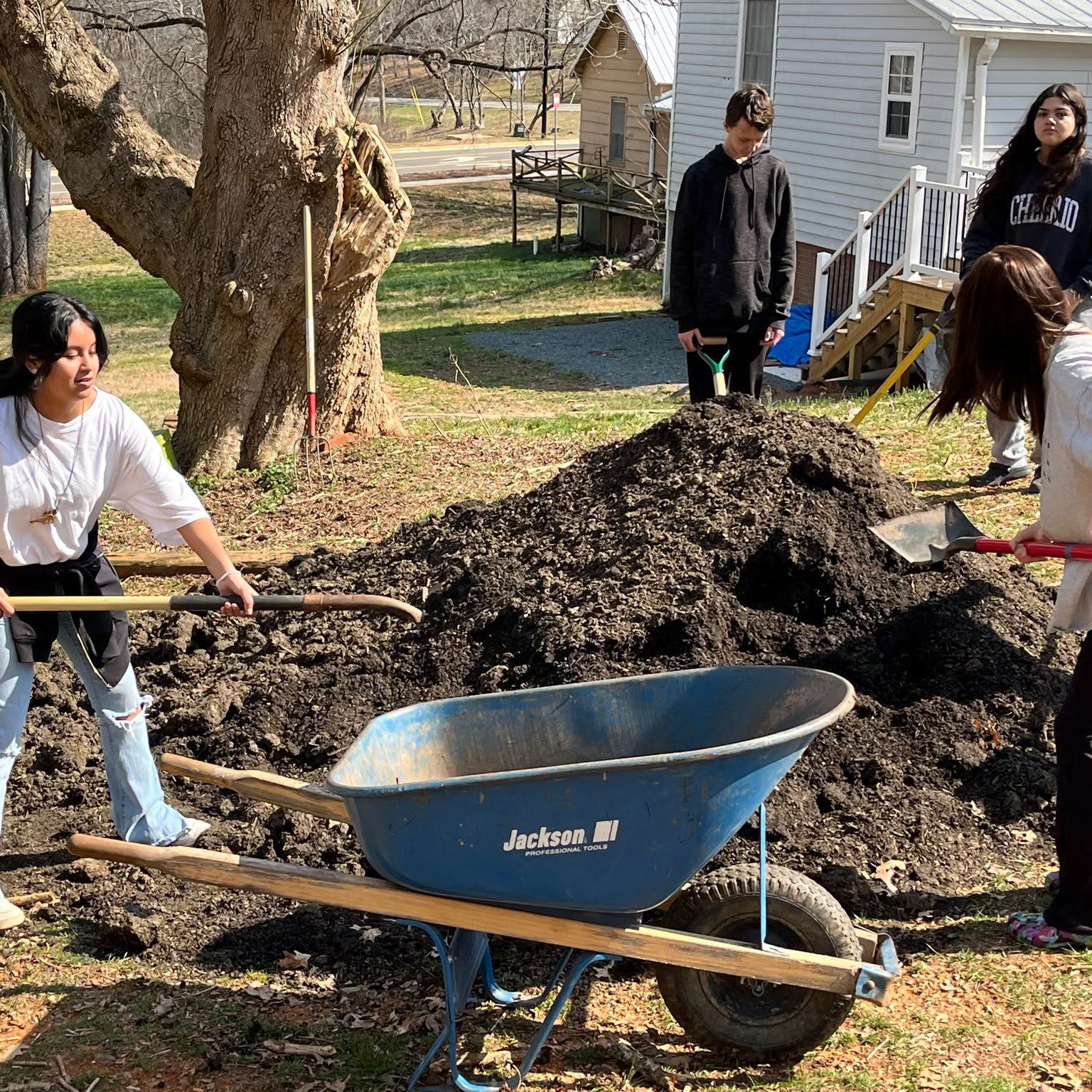
A science lesson may continue beside the Haw River. A question raised in history may lead students to local stories and community voices. Literature, mathematics, environmental science, the arts, and social studies can extend into projects, investigations, collaboration, and experiences that give academic ideas context.

Students are not leaving academics behind when learning moves beyond a traditional classroom setting. They are taking knowledge with them—testing it, applying it, making connections, and returning with new questions.

Learning Might Include

  • Investigating local ecosystems
  • Exploring authentic questions
  • Working with community partners
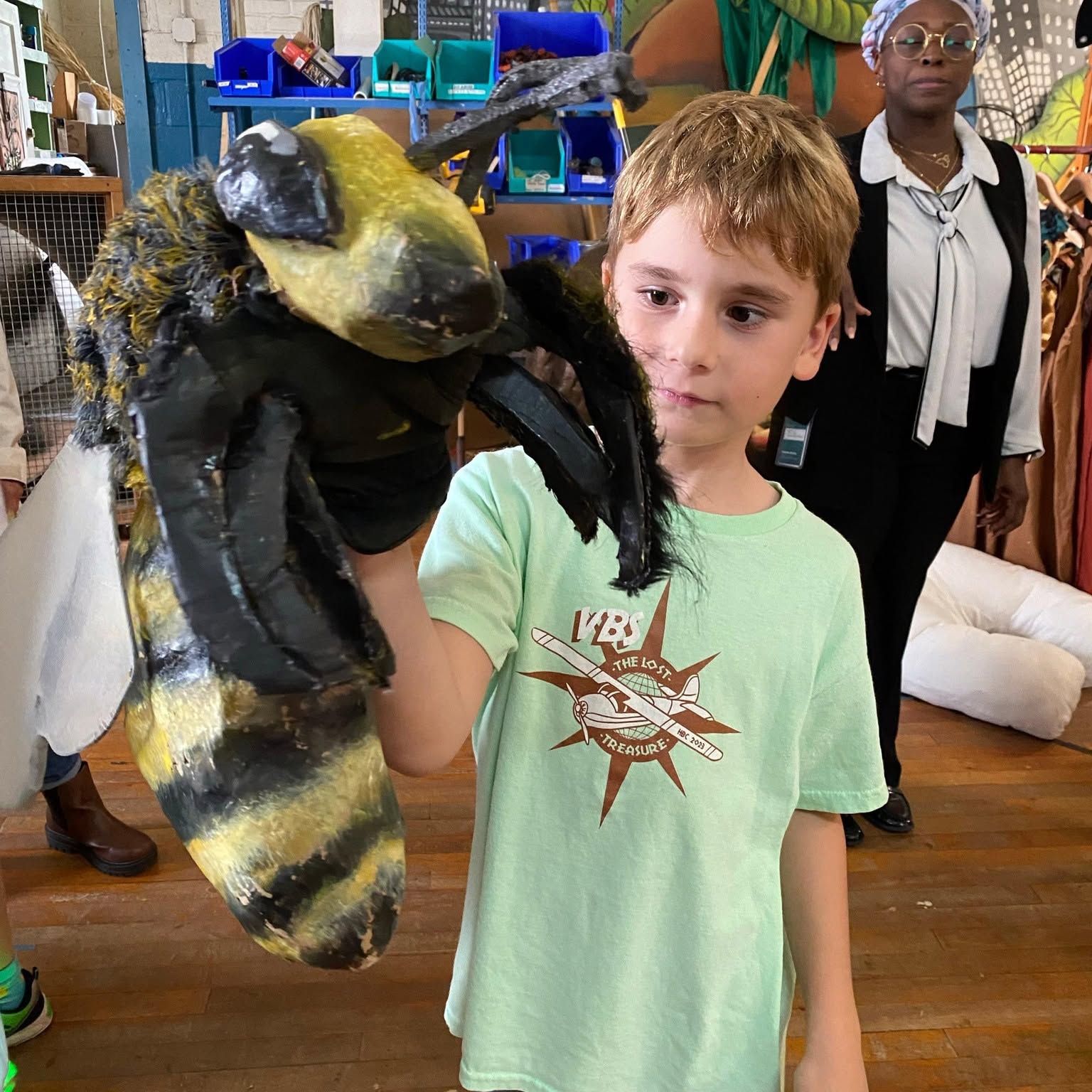
  • Applying knowledge through projects
  • Connecting ideas across multiple subjects

Every Student Learns Differently

Students bring different strengths, questions, experiences, and ways of understanding into the classroom.

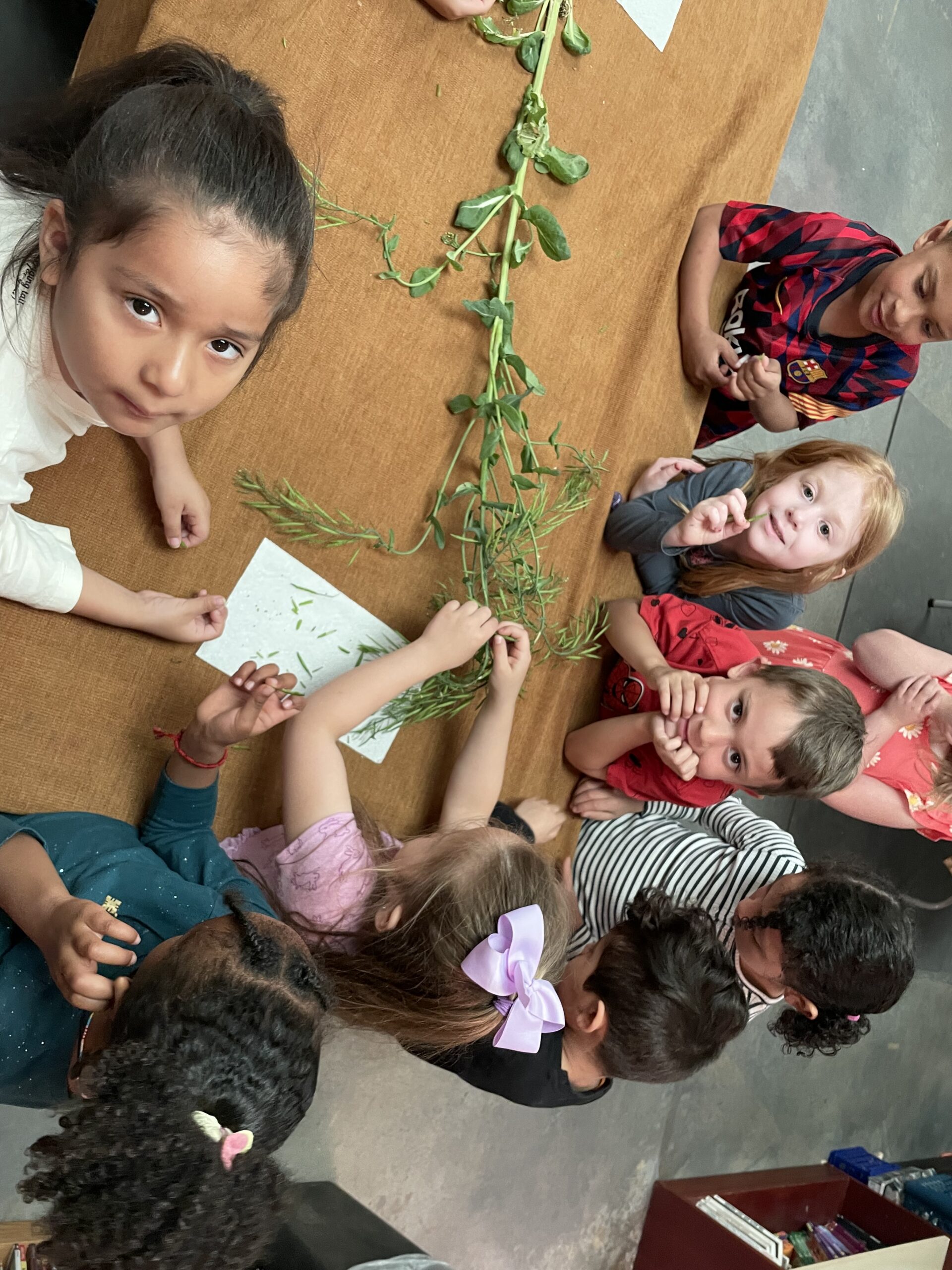
Hawbridge recognizes that learning does not look exactly the same for every student. Teachers use a variety of instructional approaches to challenge students appropriately, provide support when needed, and create different pathways toward understanding.

As students experience both challenge and success, they become more aware of how they learn, more willing to ask for what they need, and more confident taking responsibility for their own growth.

Teachers Help Students

  • Recognize and build on their strengths
  • Develop strategies for learning
  • Work through meaningful challenges
  • Build confidence through growth and success
  • Take an increasingly active role in their education

Learning Through Community

Some of the most meaningful opportunities to apply learning can be found in the community around us.

Hawbridge students may learn from local places, organizations, professionals, environmental systems, and community questions. These experiences introduce new perspectives and give students opportunities to see how knowledge can matter beyond an assignment or classroom.

Place-Based Education provides a deeper framework for this community-connected approach and is woven throughout learning at Hawbridge.

Explore Place-Based Education

Learning Takes Many Forms

Growth happens in more than one place and in more than one way.

Creative work, collaboration, leadership, performance, athletics, outdoor experiences, internships, and other opportunities can challenge students to communicate, persevere, contribute, and discover strengths that may not emerge in the same way during a traditional lesson.

These experiences complement academic learning while giving students additional ways to practice the skills and confidence they are developing throughout their education.

The Learning Journey

Learning rarely happens in a straight line. Questions lead to exploration, new understanding leads to application, and experience creates new questions.


  1. Discover

  2. Question

  3. Explore

  4. Apply

  5. Reflect

  6. Grow

Students discover ideas, ask questions, explore possibilities, apply new knowledge, reflect on what they have learned, and carry that understanding into whatever comes next.